
What Is Storage and Inventory Control?

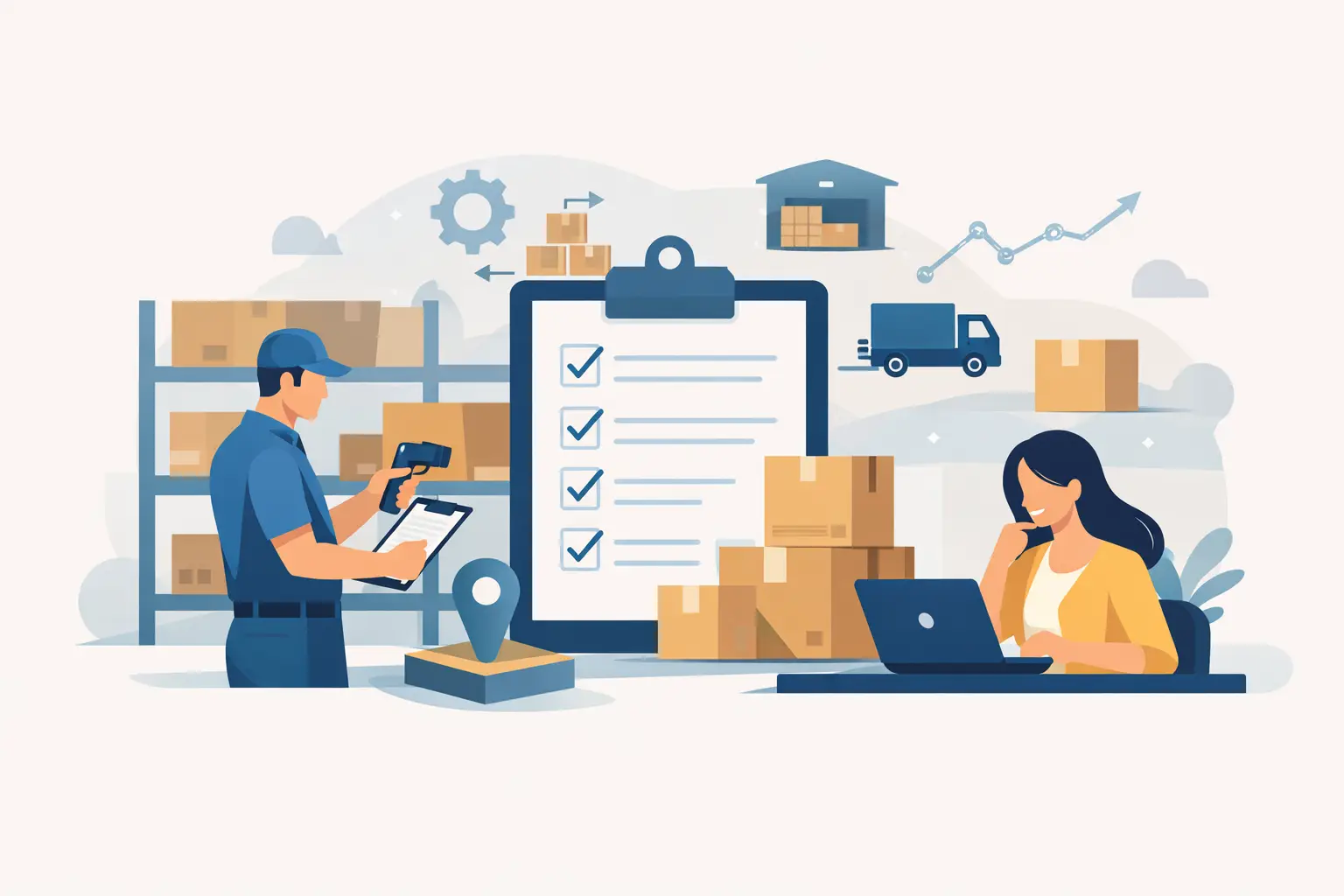
A warehouse full of stock can look efficient from the outside and still create expensive problems behind the scenes. Goods get misplaced, fast-moving lines run short, slow-moving items take up valuable space, and fulfilment teams lose time correcting avoidable errors. That is exactly why businesses ask what is storage and inventory control, and why the answer matters so much to service levels, working capital and day-to-day reliability.
At its core, storage and inventory control is the process of organising, tracking, storing and replenishing stock so the right products are available in the right quantities, in the right place, at the right time. Storage focuses on where and how goods are held within a warehouse or distribution environment. Inventory control focuses on the movement, accuracy and availability of those goods as demand changes. Together, they create the discipline that keeps operations efficient and customer promises achievable.
What is storage and inventory control in practice?
In practical terms, storage and inventory control is not just about putting products on shelves and counting them occasionally. It is a system of rules, processes and checks that governs how stock is received, labelled, stored, rotated, picked, packed and replenished.
For a growing e-commerce business, this might mean assigning specific bin locations, recording every stock movement in real time, and setting reorder thresholds so popular items do not sell out unexpectedly. For a courier operator or fulfilment business, it could mean managing multiple client inventories within one site while maintaining visibility, segregation and rapid dispatch. The principle stays the same – stock must be easy to locate, accurate on the system and available when the next order arrives.
When businesses get this right, they reduce waste, improve picking speed and protect customer experience. When they get it wrong, delays and stock discrepancies quickly spread through the wider supply chain.
Why storage and inventory control matters
Stock is one of the biggest costs on many balance sheets, yet it is often treated as a static asset rather than a moving operational risk. Poor control ties up cash in excess inventory, while weak storage discipline leads to damage, obsolescence and avoidable handling time.
Good control creates commercial advantages. It supports faster order fulfilment, more accurate stock records and better use of warehouse space. It also gives operations teams clearer data for forecasting and purchasing. That matters whether you are shipping hundreds of parcels a week or coordinating a more complex multi-channel supply chain.
There is also a service issue at stake. If stock data is unreliable, customer-facing teams cannot promise delivery windows with confidence. If warehouse locations are poorly managed, order turnaround slows down. If replenishment is inconsistent, best-selling lines go out of stock just when demand peaks. Storage and inventory control sits directly behind delivery performance, customer satisfaction and margin protection.
The main parts of storage control
Storage control focuses on the physical side of warehouse management. That includes layout, location planning, stock rotation, handling methods and space utilisation.
A well-run storage operation assigns products to logical locations based on size, volume, demand and handling requirements. Fast-moving items are usually placed where pickers can access them quickly. Fragile or regulated goods may require dedicated storage zones. Seasonal products may be repositioned as trading patterns shift. The goal is not simply to fit stock into a building. It is to place it in a way that supports speed, safety and accuracy.
Stock rotation also matters. For some goods, first in, first out is essential to reduce ageing risk. For others, especially products with shorter shelf life, tighter batch tracking may be needed. The right method depends on the stock profile. A one-size-fits-all approach rarely works well.
The main parts of inventory control
Inventory control deals with stock accuracy and stock flow. It tracks what has arrived, what has been sold, what has been picked, what is due to be replenished and what should be investigated.
That usually involves regular stock counts, system updates, SKU-level tracking and variance reporting. It also includes setting minimum and maximum stock levels, reviewing reorder points and monitoring demand patterns. If a business stocks too much, it increases storage costs and exposure to slow-moving inventory. If it stocks too little, it risks missed sales and service failures. Good inventory control is about balance rather than simply keeping quantities low.
This is where visibility becomes valuable. Decision-makers need to know what stock is available, where it is stored and how quickly it is moving. Without that visibility, purchasing decisions become reactive and warehouse teams spend more time fixing problems than preventing them.
How storage and inventory control work together
Storage and inventory control are closely linked, but they are not identical. A business can have accurate stock numbers on paper and still lose efficiency if goods are stored badly. Equally, a tidy warehouse does not guarantee good inventory control if stock movements are not recorded properly.
The strongest operations connect the physical and digital sides of stock management. When goods are received, they are checked, booked in and assigned a location. When they move, the system reflects that movement. When they are picked, packed or returned, records stay current. This connection reduces discrepancies and makes warehouse performance far more predictable.
For businesses with multiple sales channels, fluctuating demand or strict delivery commitments, that joined-up control becomes even more important. It allows teams to act on live information rather than assumptions.
Common problems caused by weak control
Poor storage and inventory control usually shows up in familiar ways. Stock counts do not match system records. Pickers waste time searching for items. Orders are delayed because products are shown as available but cannot be found. Overstock builds up in low-demand lines while high-demand products keep running short.
There can also be hidden costs. Repeated manual checks absorb labour. Damaged stock increases because handling routes are inefficient. Emergency replenishment raises transport spend. Customer service teams spend time managing complaints that began as warehouse errors.
Not every problem comes from negligence. Sometimes businesses simply outgrow their existing process. What worked for a small operation with limited SKUs often breaks down once order volume rises, sales channels multiply or same-day expectations become standard.
Technology helps, but process still leads
Warehouse management systems, barcode scanning and live inventory platforms have transformed stock control. They improve visibility, reduce manual errors and help businesses respond faster. For many operations, they are essential.
Even so, technology is only as effective as the process behind it. If goods are received without proper checks, the system starts with inaccurate data. If locations are not maintained, scanning will not solve poor storage discipline. If reorder rules are not reviewed, businesses can automate the wrong decisions.
The best results come from combining clear warehouse process with reliable technology and consistent operational oversight. That is especially relevant for businesses outsourcing warehousing or fulfilment. A capable logistics partner should not only store stock, but control it with discipline, transparency and measurable accuracy.
What good control looks like for growing businesses
For growing merchants and operational teams, good control usually means a few practical things. Stock can be located quickly. Inventory figures are trusted. Orders leave on time. Space is used efficiently. Replenishment decisions are based on real demand rather than guesswork.
It also means the operation can scale without losing control. As product ranges expand and volumes increase, the underlying process should still support fast dispatch and clear reporting. That is where experienced warehousing support makes a real difference. Businesses do not just need room for stock. They need a system that protects availability, service performance and future growth.
For UK firms managing high customer expectations, storage and inventory control is not a back-office detail. It is part of the delivery promise. If the warehouse runs well, transport runs better, customers get clearer lead times and the wider supply chain becomes easier to manage.
Choosing the right approach
There is no single model that suits every business. A business with stable demand and a small product range may need straightforward controls and periodic review. A fast-moving e-commerce operation with promotional spikes, returns and multi-carrier dispatch will need far tighter visibility and more frequent stock management.
The right approach depends on product type, order volume, lead times, storage requirements and service expectations. That is why businesses often review storage and inventory control when they reach a growth threshold or start missing performance targets. At that point, stronger warehouse structure is not just operationally useful – it becomes commercially necessary.
At NR Logistics, that principle is simple: dependable supply chains rely on dependable stock control. When goods are stored properly and inventory is managed accurately, businesses can move faster with more confidence. If you are reviewing your warehousing operation, that is the place to start.